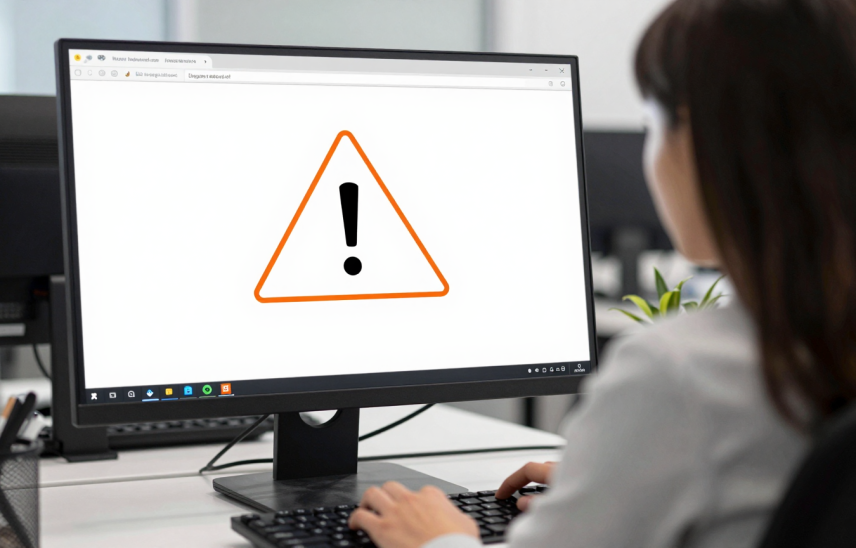
When was the last time you thought about what would happen if your systems went down right now?
Most small business owners don’t—until they’re standing in front of frustrated customers, watching transactions fail, or explaining to their team why no one can access critical files. By then, the damage is already happening.
Here’s the reality: According to recent industry data, small businesses lose between $12,000 and $24,000 for every hour their systems are down. And we’re not just talking about lost sales. The real cost includes:
- Employees sitting idle while still on the clock
- Missed deadlines that damage client relationships
- Recovery time after systems come back online
- Reputation damage when customers experience service disruptions
- Overtime costs to make up for lost productivity
For a small retail store, that might mean turning away customers at the register. For a professional services firm, it could mean missing a critical deadline. For a nonprofit, it might mean unable to process donations during a fundraising campaign.
The Hidden Costs Add Up Fast
The direct financial hit is just the beginning. Consider what happens during a four-hour outage:
Your team can’t access cloud-based tools. Email stops flowing. If you use VoIP phones, they go silent. Customer service grinds to a halt. Remote workers are completely cut off. Any cloud-based point-of-sale system becomes a paperweight.
Then there’s the aftermath. Once systems are restored, you’re not immediately back to normal. Staff need time to catch up on what they missed. You might need to manually recreate transactions or data that was in flight when systems went down. Customer service teams field calls from confused or frustrated clients.
What Causes Downtime?
The triggers are more common than you might think:
Internet outages are the most frequent culprit. Construction crews accidentally cut lines. Severe weather takes down infrastructure. Equipment at your ISP fails. Even small issues at the provider level can leave you completely disconnected.
Hardware failures happen without warning. Servers crash. Routers die. Storage devices fail. The question isn’t if hardware will fail—it’s when.
Cybersecurity incidents are increasingly common. Ransomware can lock you out of your entire system. A successful phishing attack might force you to shut down systems while you contain the damage.
Software issues can bring operations to a standstill. A bad update, a corrupted database, or an application conflict can render your systems unusable until resolved.
Power problems affect everything. Even if you have a generator, your internet connection might not survive a power outage. Your cloud services stay up, but you can’t reach them.
Most Businesses Aren’t Prepared
Here’s what’s concerning: most small businesses don’t have a real disaster recovery plan. They might have some backups, but they’ve never tested whether those backups actually work or how long recovery would take.
They have a single internet connection, so any ISP issue means complete disconnection. They don’t have redundant systems, so any critical component failure means waiting for repairs or replacements. They haven’t documented their recovery procedures, so staff scramble to figure out what to do during a crisis.
Building Resilience Doesn’t Require Enterprise Budgets
The good news? Protecting your business doesn’t mean you need a Fortune 500 IT budget. Smart small businesses focus on the highest-impact protections:
Redundant internet connections ensure one provider’s problems don’t shut you down. We covered this in detail in our recent post about dual internet connections—it’s often the single most cost-effective protection you can implement.
Tested backup systems that run automatically and actually work when you need them. “Having backups” and “having backups that restore successfully” are two very different things.
Clear recovery procedures so your team knows exactly what to do when something fails. Scrambling during a crisis wastes precious time and compounds the damage.
Monitoring and early warning systems that alert you to potential problems before they cause outages. Catching a failing hard drive before it crashes completely can prevent days of downtime.
Documented dependencies so you understand what systems rely on what. When one component fails, you know exactly what else might be affected and can respond accordingly.
The Real Question
Ask yourself: If your systems went down right now, how long could your business function? An hour? A few hours? A full day?
More importantly: How much would each hour of downtime cost you in lost revenue, productivity, and customer trust?
If those numbers make you uncomfortable, you’re not alone. Most small businesses are one equipment failure or internet outage away from significant disruption.
Take Action Before Crisis Strikes
Don’t wait for downtime to expose your vulnerabilities. We help small businesses identify their greatest risks and implement practical, budget-friendly solutions that protect operations without breaking the bank.
Schedule a free IT resilience assessment to discover where your business is most vulnerable and get a clear roadmap for protecting your operations. We’ll assess your current setup, identify your highest risks, and recommend solutions that fit your budget and needs.
Your business deserves better than crossing your fingers and hoping nothing breaks.
👉 Contact us today and let’s chat about how we can make technology work for you—not against you.
Keep hustling, keep growing—tech will be your sidekick on this journey!
Contact us at [email protected] or call +1‑585-333-0540